.svg)

Discovering Restrepia: The Ultimate Guide to Growing This Unique Miniature Orchid
If you are looking for a fascinating addition to your plant collection, the Restrepia genus offers a world of "micro-mini" beauty. Often referred to by the humorous common name "cockroach orchid," these plants are celebrated by enthusiasts for their striking, boldly spotted or striped flowers and their manageable size. Whether you are a seasoned orchid grower or just starting out with your first propagation, here is everything you need to know about these captivating epiphytes.
What is a Restrepia Orchid?
Pronounced reh-STREP-ee-ah, this genus consists of about 48 species native to regions spanning from Mexico to Bolivia. In their natural habitat, they are primarily found in high-elevation cloud forests, such as those in the Antioquia and Cundinamarca departments of Colombia, where they grow as epiphytes on trees at elevations between 1500 and 2800 meters.
The genus was officially named in 1816 by Kunth in honor of José Manuel Restrepo, an early investigator of Colombian flora.
Botanical Features
Restrepias are known for their unique "caespitose" growth habit, meaning they grow in dense tufts. Key features include:
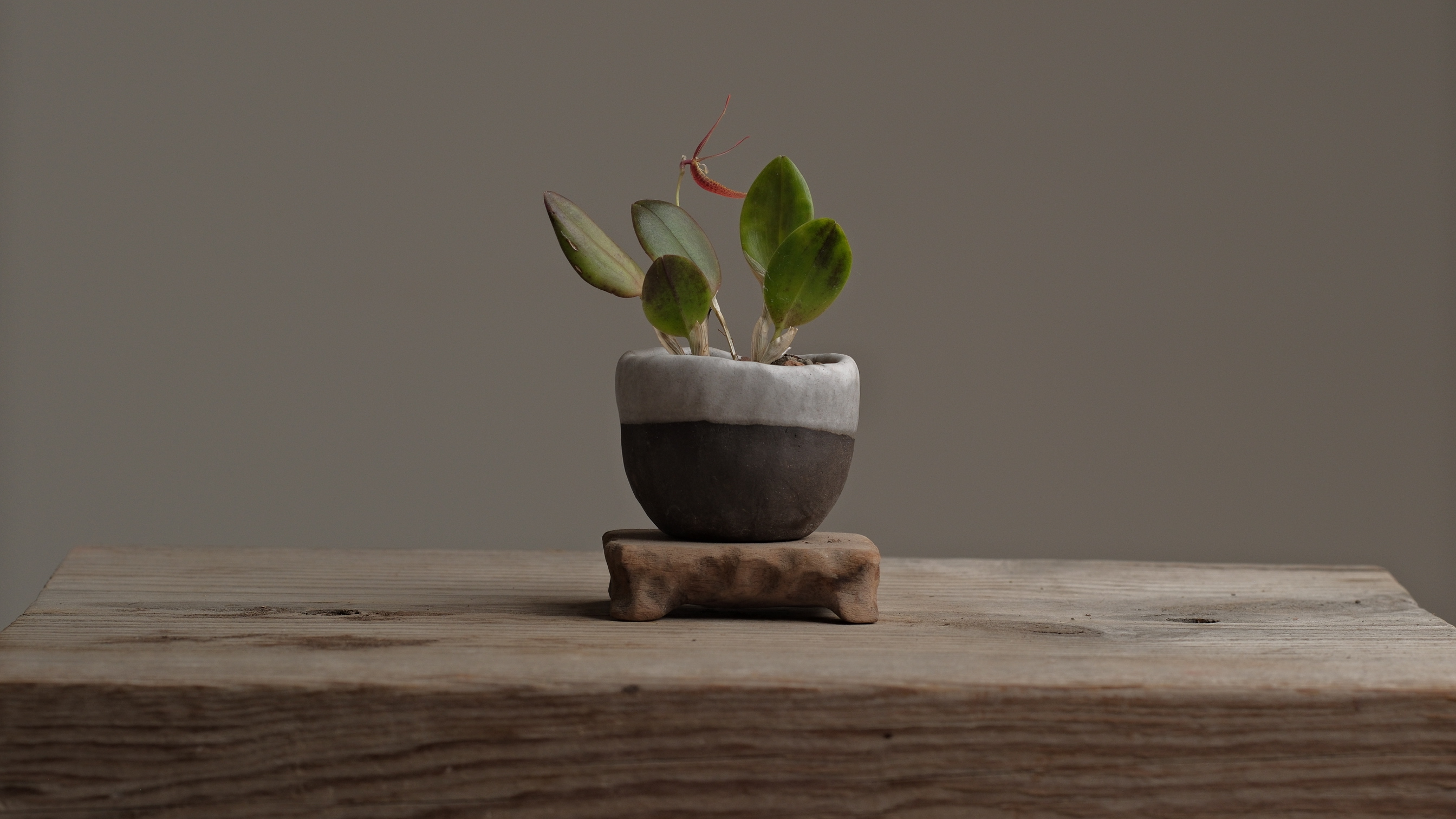
- Ramicauls: These are the stems of the plant, which are often as long or longer than the leaves and are covered in flattened sheaths that frequently feature dark, near-black spots.
- Leaves: Each stem carries a single, leathery leaf that is often suffused with a beautiful purple hue.
- The Flower: The flowers are a masterclass in detail. The dorsal sepal and petals often end in tiny, club-shaped tips known as osmophores. Species like Restrepia sanguinea (the "Blood Red Restrepia") produce vibrant, dark red blooms that appear successively throughout the winter and spring.
-
Restrepia Care and Culture
Despite their exotic appearance, many Restrepias are considered "easy-growers," making them a delightful and manageable choice for indoor collections or vivariums.
- Light: They prefer medium light levels (bright indirect light), typically ranging from 2,000 to 3,000 footcandles.
- Temperature: They thrive in intermediate to cool conditions. Ideally, keep them in a range between a minimum of 52°F and a maximum of 80°F.
- Watering: These orchids like to stay moist. In a home setting, this usually requires daily watering or 4 to 7 waterings per week.
- Potting and Mounting: While they grow on trees in the wild, they adapt well to small pots with a fine seedling-grade mixture or can be mounted on slabs with a moisture-retaining pad of moss at the roots.
-
Propagation: Growing Your Own
One of the most rewarding aspects of keeping Restrepias is how easily they can be propagated. Unlike many orchids that require complex lab settings, Restrepias often form aerial plantlets (keikis) at the base of their leaves. You can even induce these plantlets by taking leaf cuttings that include at least one inch of the ramicaul (stem). Within six months of careful nurturing, these propagations can establish themselves and even begin to bloom in their own pots.
Why They Are Perfect for Small Spaces
Because they are miniature or micro-mini orchids, they are ideal for enthusiasts with limited space. Their compact nature and love for high humidity also make them perfect candidates for vivariums, where you can control the microclimate with misting systems and artificial lighting to mimic their native cloud forest homes.
Frequently Asked Questions (FAQ)
Where do Restrepia orchids come from? They are native to the Americas, ranging from Mexico down through the Andes to Bolivia, with a high concentration of species found in Colombia.
What are the club-shaped tips on the flowers? These are called osmophores, which are specialized structures that can produce scents to attract pollinators.
How often do Restrepia orchids bloom? Many species are free-flowering, meaning they can bloom periodically throughout the year, though many have a peak flowering season from November through April.